A kitchen faucet is used dozens of times a day and taken apart approximately never. That makes the internal cartridge, the finish process and the spout geometry far more important than the shape in the showroom. Here is what to check.
1. The valve cartridge
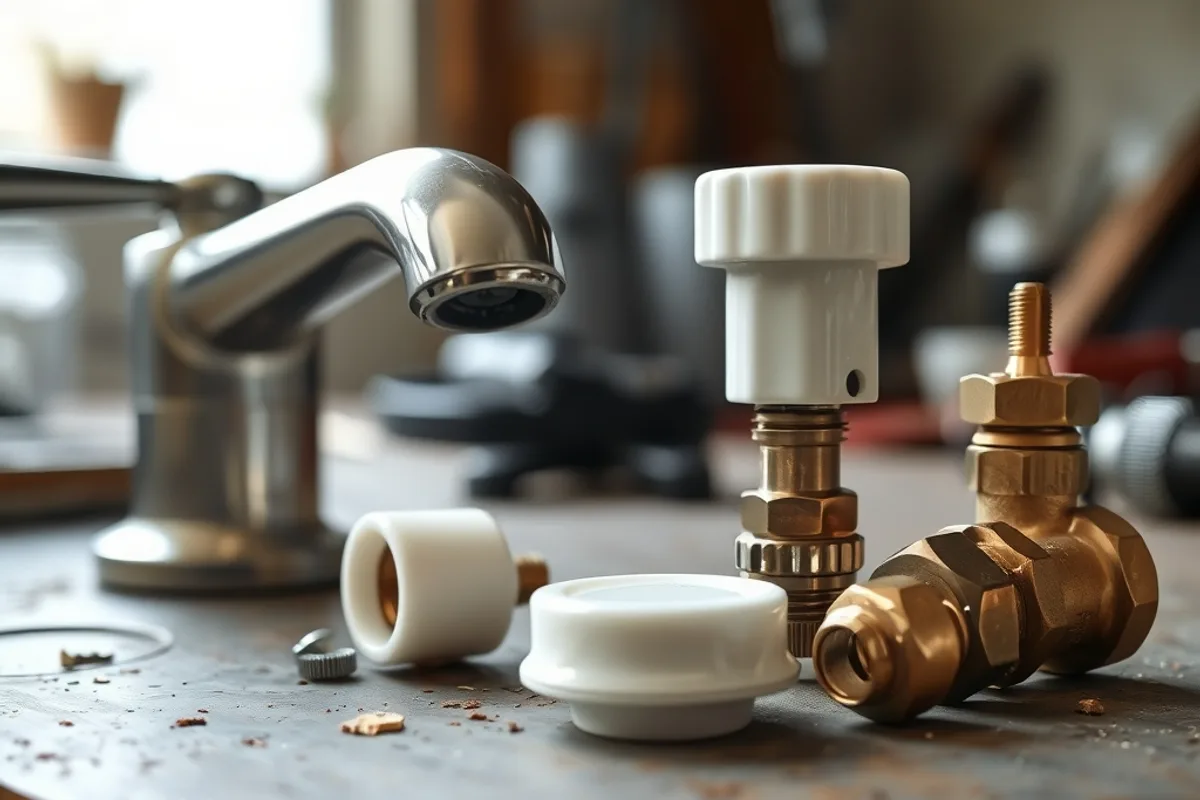
The cartridge is the moving part that mixes hot and cold. It is the most common failure point and the hardest to judge from a spec sheet.
- Ceramic disc — smooth, durable, standard in mid-range and up.
- Pressure-balance — common in showers, less relevant in kitchens.
- Thermostatic — precise temperature, useful with combi boilers.
Ask whether replacement cartridges are stocked locally and how long they remain available. A beautiful faucet with an obsolete cartridge becomes scrap.
2. The finish
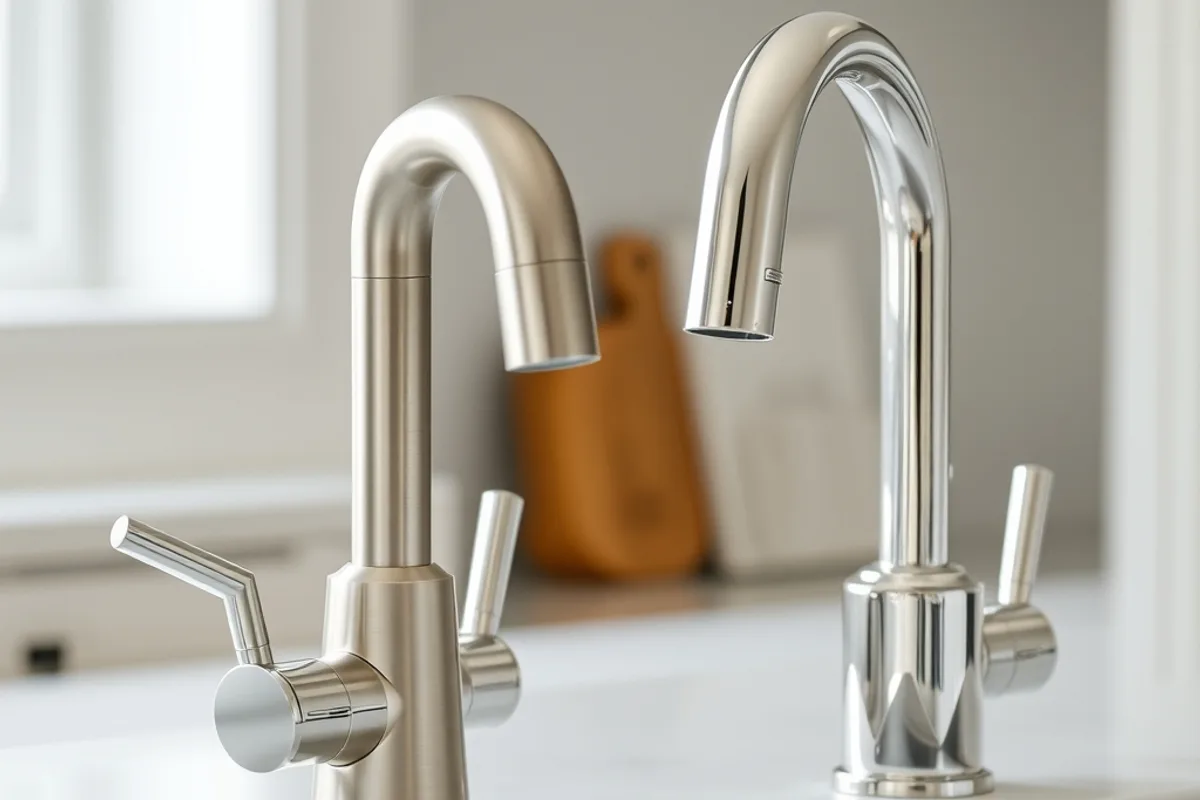
| Finish | Durability | Best for |
|---|---|---|
| Chrome | Excellent | Hard water, busy kitchens |
| PVD brushed steel | Very good | Fingerprint-resistant modern kitchens |
| Powder-coated colour | Good | Design-led kitchens, gentler use |
| Unsealed brass | Living finish | Traditional styling, tolerant owners |
| Cheap "stainless look" plating | Poor | Avoid in wet, hard-water areas |
PVD (physical vapour deposition) finishes are markedly harder than conventional plating. If the finish matters to you, ask for the process, not the colour name.
3. Flow rate and spray modes
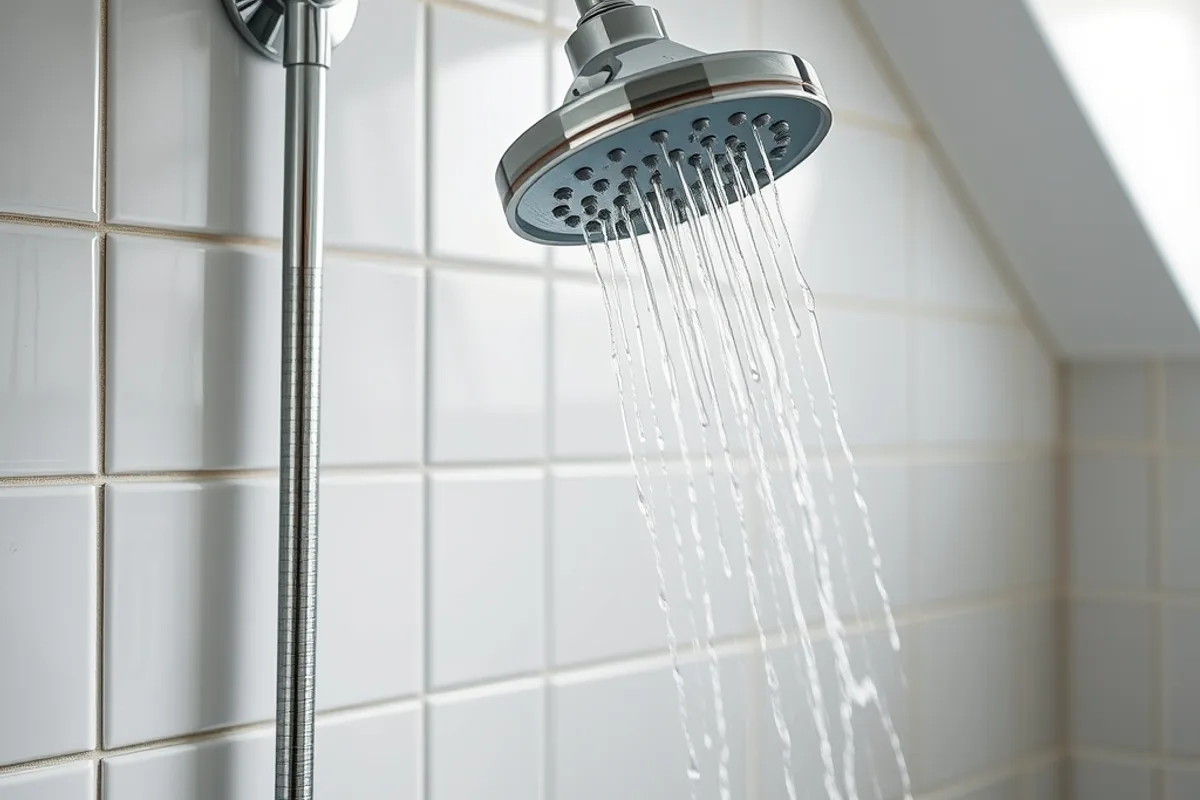
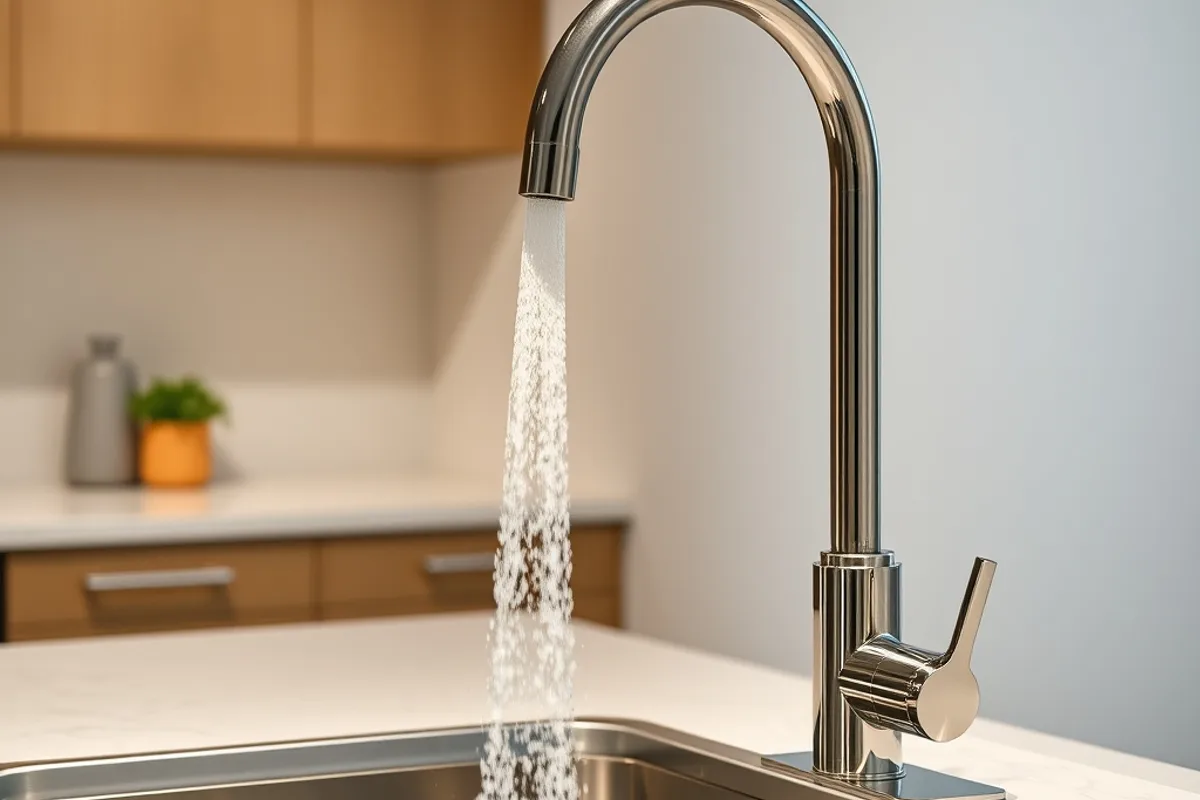
Lower flow saves water but changes the feel. Around 6–8 litres per minute is a practical kitchen range in many regions; check local regulations. A pull-down spray with a pause button is genuinely useful; a dozen spray patterns is not.
Also check the spout reach and height against your sink. A tall gooseneck over a shallow sink splashes; a short spout over a deep farmhouse sink cannot reach the corners.
Installation and holes
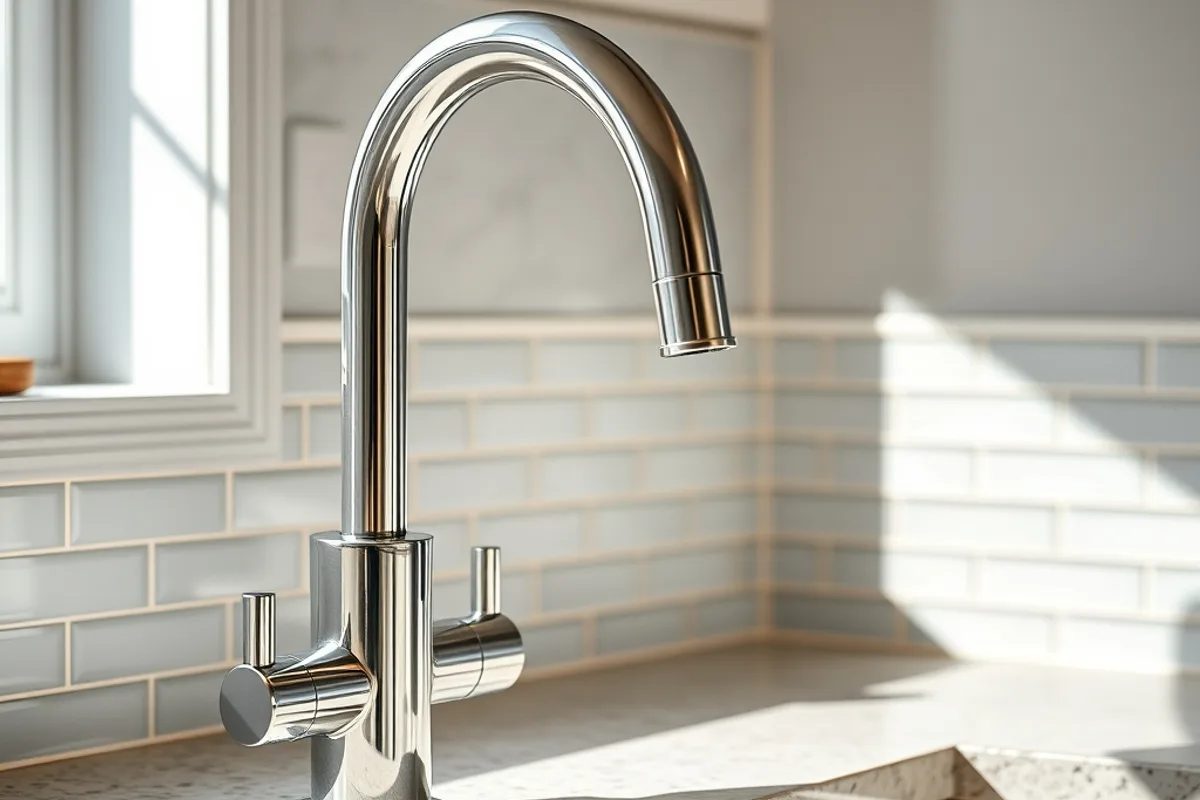
Count the holes in your sink or worktop before buying. A single-hole faucet with a separate soap dispenser needs two. A three-hole setup may require a deck plate. Pull-down hoses need clearance underneath for the weight, which can conflict with a deep sink or a drawer.
Warranty and spares
Look for a warranty that covers the cartridge and finish separately, and a brand that publishes exploded diagrams. Ten years on the body means little if the cartridge is a sealed proprietary part with a two-year life.

Frequently asked questions
Is an expensive faucet worth it?
Usually yes up to the mid-range, where cartridges and finishes improve sharply. Beyond that you are paying for design and brand.
What is best for hard water?
Chrome or PVD with a ceramic cartridge, plus a water softener or regular descaling. Avoid matte black in severe hard-water areas unless you enjoy cleaning.
When should I replace rather than repair?
If the body is sound but the cartridge drips, replace the cartridge. If the body is corroded or the supply lines are failing, replace the faucet.