Commercial buildings rarely fail without warning. They give months of small signals — a stained ceiling tile, a sticking door, a drain that gurgles — that nobody logs. A preventive maintenance schedule turns those signals into planned work instead of emergency invoices.
Why a written schedule beats good intentions
Insurers, tenants and buyers increasingly ask for evidence, not assurances. A dated log with photographs, contractor names and actions taken is the difference between a claim paid and a claim disputed. It also makes budgeting honest, because you can see the replacement curve before it arrives.

The twelve-month calendar
| System | Frequency | Core task |
|---|---|---|
| Roof and drainage | Twice yearly + after storms | Clear outlets, check membrane and flashings |
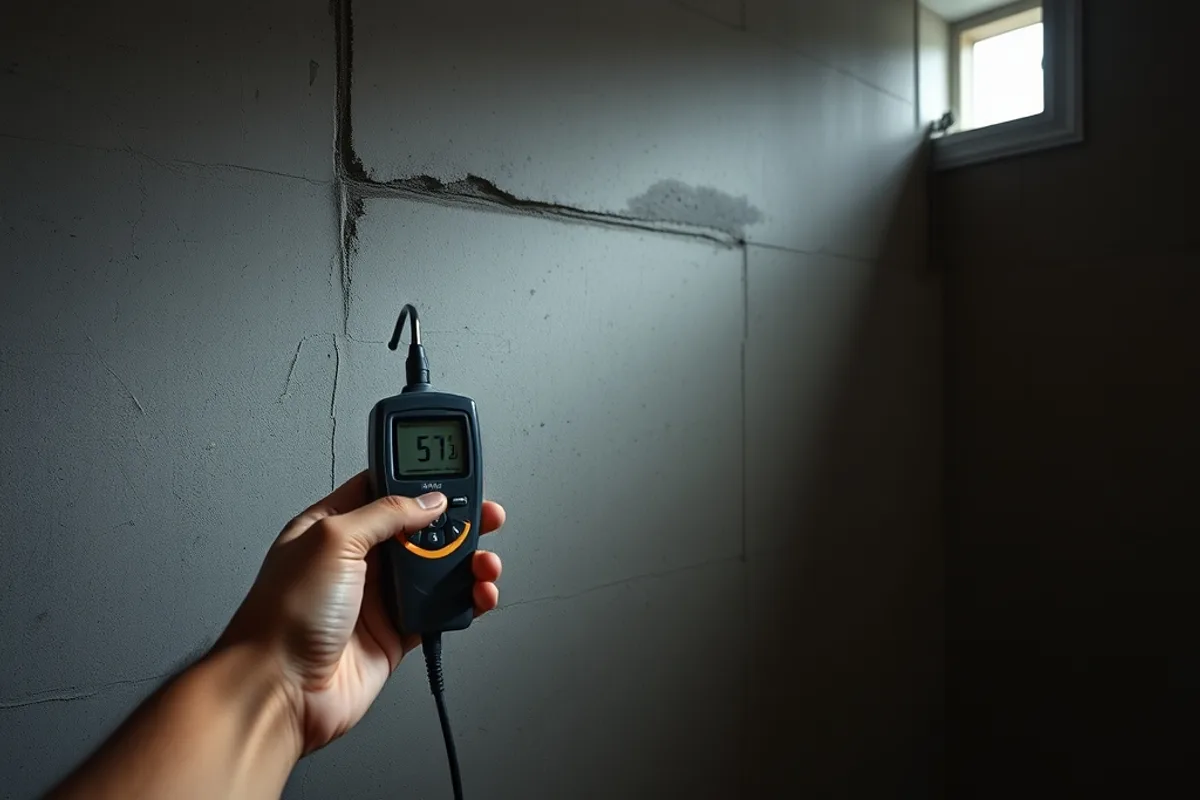
| Facade and sealant | Annually | Inspect cracks, joints and cladding fixings |
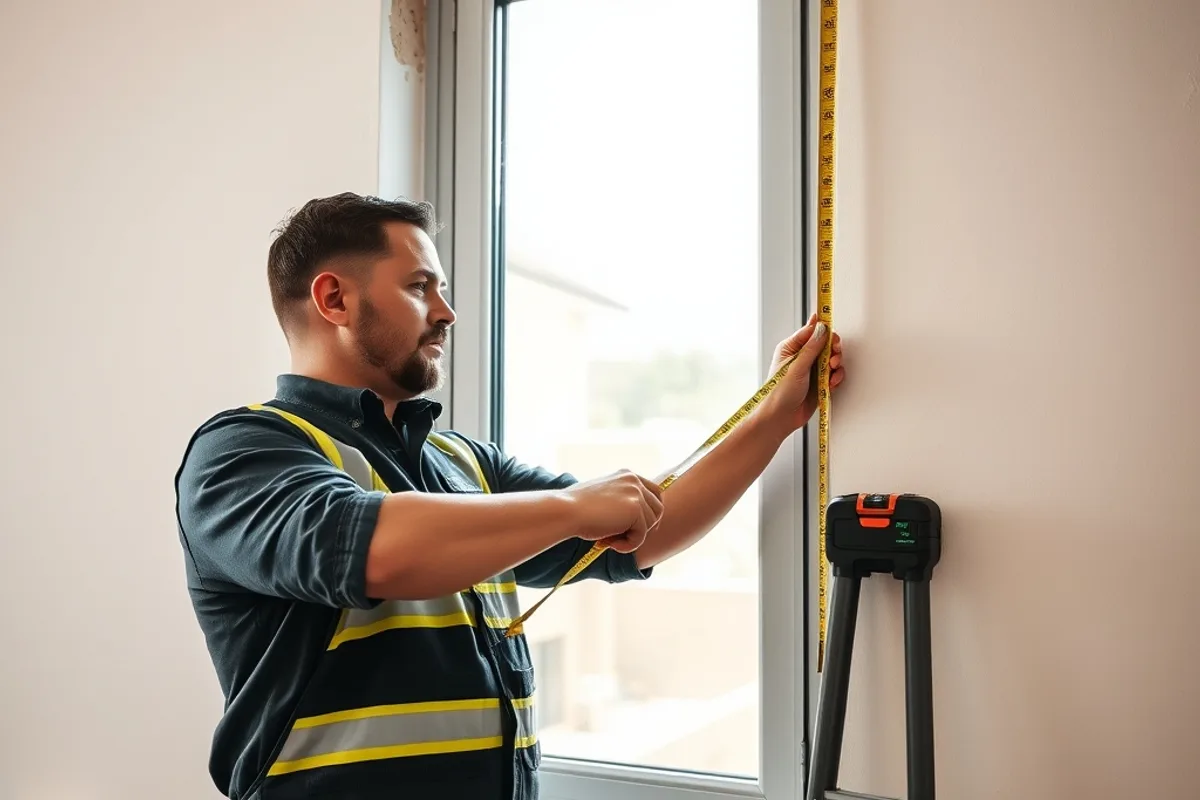
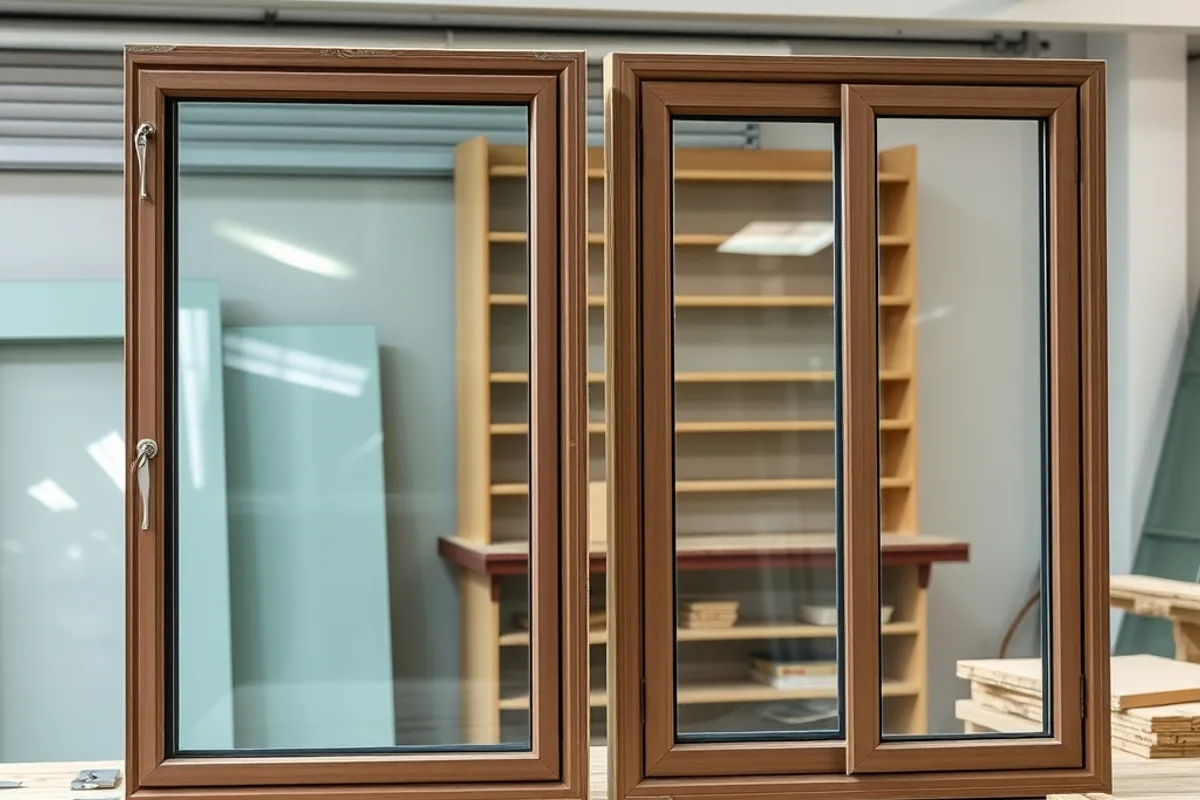
| Glazing and windows | Annually | Check seals, hinges, gaskets and safety glass |
| HVAC filters | Quarterly | Replace or clean; log pressure drop |
| HVAC service | Twice yearly | Coils, belts, controls and refrigerant check |
| Electrical distribution | Annually | Thermal scan, torque check, labelling |
| Fire systems | Per code, usually quarterly/annual | Alarms, extinguishers, emergency lighting |
| Drains and pumps | Quarterly | Clear gullies, test sump pumps |
| Lifts and doors | Per contract | Statutory inspection and adjustment |
Adjust frequency to use, climate and age. A restaurant kitchen extracts far more grease than an office; a coastal facade sees more salt.
Documentation that works
- One register per building, physical or digital, with a photo log.
- Each entry: date, system, observation, action, contractor, cost, next due date.
- Keep warranties, certificates and as-built drawings together.
- Photograph defects before repair — it establishes the timeline.

Budget shape
A common planning rule is 1–3% of replacement value per year for planned maintenance, with a separate sinking fund for major plant. The figure is less important than the discipline of reviewing actual spend against it each quarter.

Working with tenants
Agree access windows in advance, publish a simple reporting channel for defects, and close the loop when something is fixed. Tenants report problems early when they believe it leads to action.
Winter and storm preparation
- Clear gutters and check downspouts before the wet season.
- Insulate exposed pipework and trace vulnerable runs.
- Test sump pumps and backup power.
- Secure loose roof items and signage.
- Inspect after every significant storm and log the result.

Frequently asked questions
Can a small building be maintained in-house?
Routine checks and cleaning, yes. Statutory inspections and specialist systems should be contracted and documented.
What does it cost?
Less than reactive repairs on average, but it requires a real annual budget rather than occasional spending.
Where do I start?
Commission a condition survey, then turn its findings into a dated calendar with owners and costs.