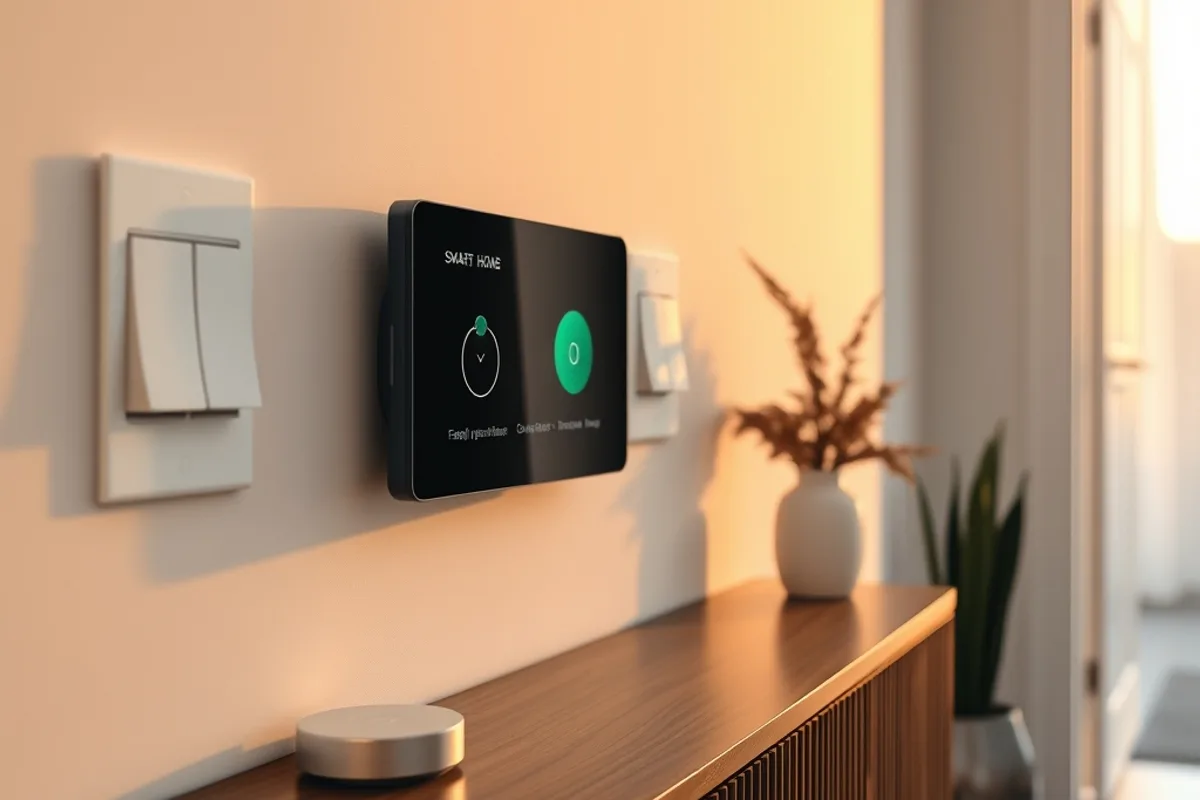
Smart home projects usually fail in the same way: a dozen apps, three hubs, and a hallway light that only works when the cloud is up. A better approach is to treat automation as infrastructure. Start with reliability, standardise protocols, and automate one room at a time.
Four principles
- Local control first. Switches and schedules should work without internet.
- One hub, few protocols. Prefer open standards such as Matter, Zigbee or Thread over proprietary bridges.
- Automate routines, not devices. The value is in "hallway light on at sunset", not in a remote-control app.
- Buy for the next five years. Avoid products that require a subscription for basic function.
Stage one: lighting and heating
These deliver the most daily benefit for the least money.
- Smart dimmers on main living areas, keeping physical switches for guests.
- Motion sensors in hallways, stairs and utility rooms.
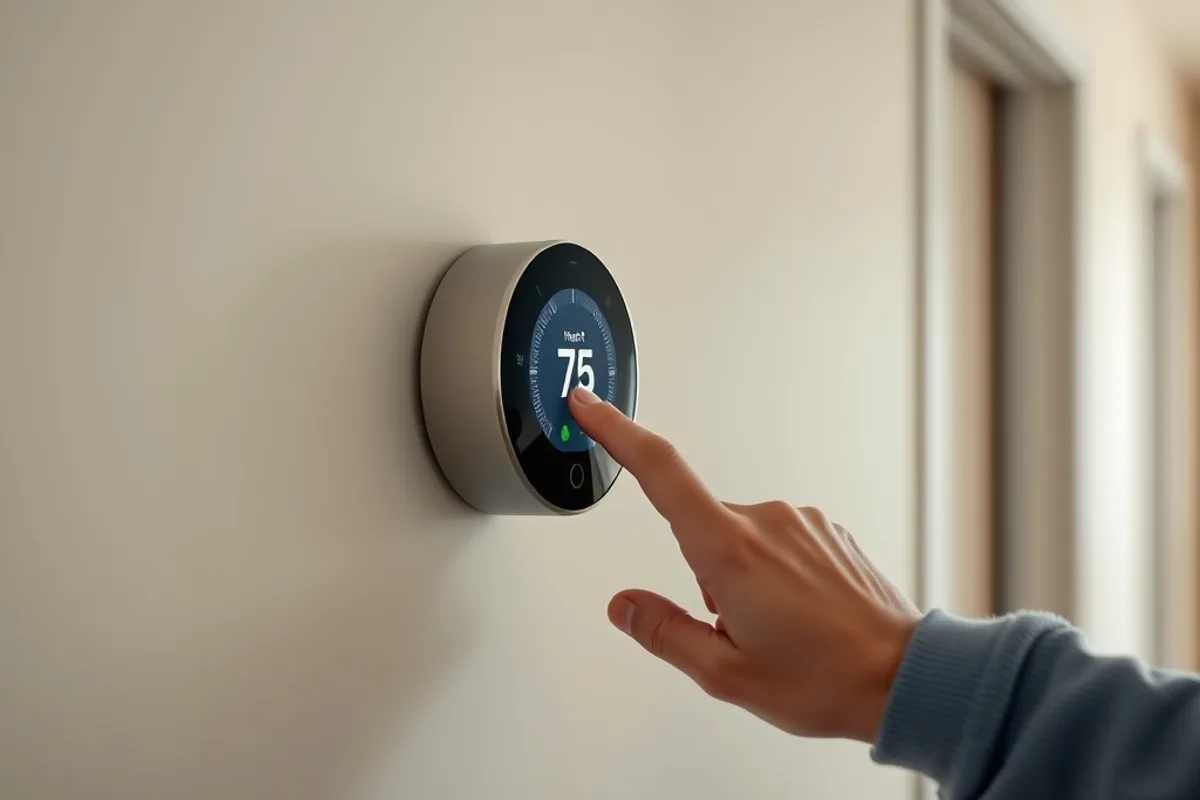
- Smart thermostat with schedules and geofencing, plus TRVs on individual radiators.
- Plugs for lamps and seasonal loads, not for anything safety-critical.
Budget guide: a hub, four dimmers, two motion sensors and a thermostat is a sensible first phase and covers most of the everyday value.
Stage two: security and access
- Door and window contacts on ground-floor openings.
- A doorbell camera at the main entrance.
- Smart locks with a mechanical key override and local code storage.
- Smoke and water-leak sensors linked to alerts.
Keep security devices on a separate, well-protected network if your router supports it.
Stage three: comfort and scenes
Only after the basics are stable: blinds, presence-based lighting scenes, air quality monitoring and irrigation. These are nice, but they multiply complexity. Add them where a specific annoyance justifies the effort.
Protocol cheat sheet
| Protocol | Best for | Notes |
|---|---|---|
| Matter / Thread | New purchases across brands | Growing support; needs a border router |
| Zigbee | Battery sensors, bulbs | Mature, cheap, needs a hub |
| Z-Wave | Locks, sensors | Reliable mesh, region-specific frequencies |
| Wi-Fi | A few devices near the router | Crowds the network at scale |
| Wired (KNX, etc.) | New builds and deep renovations | Highest reliability and cost |
If you are renovating
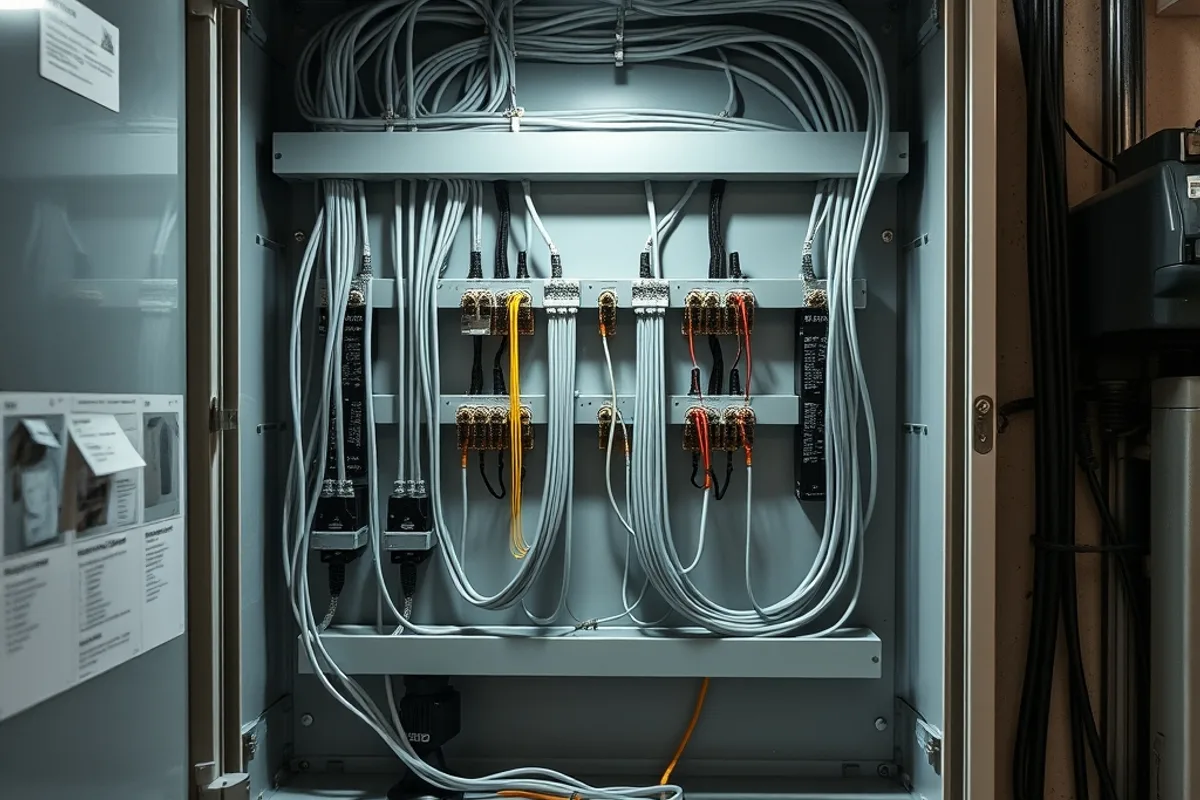
Run conduit and deep back boxes now. Neutral wires at every switch, Ethernet to likely access points and cameras, and a central cabinet make later upgrades trivial. Cable is cheap; opening finished walls is not.
Common mistakes
- Automating lights but leaving switches that cut power to the smart module.
- Choosing devices that need a different app for each room.
- Putting all automation on Wi-Fi and wondering why it drops.
- Hiding the manual override. Guests and emergencies need a simple switch.
Frequently asked questions
What should I buy first?
A hub that supports Matter and Zigbee, plus smart dimmers for the rooms you use most. Lighting is the fastest route to everyday value.
Is cloud dependence bad?
Not inherently, but basic functions — lights, heating, locks — should continue working locally if the internet fails.
What is a realistic starter budget?
A useful first phase can be assembled for the price of a mid-range appliance. Spend on the hub and wiring, economise on sensors.