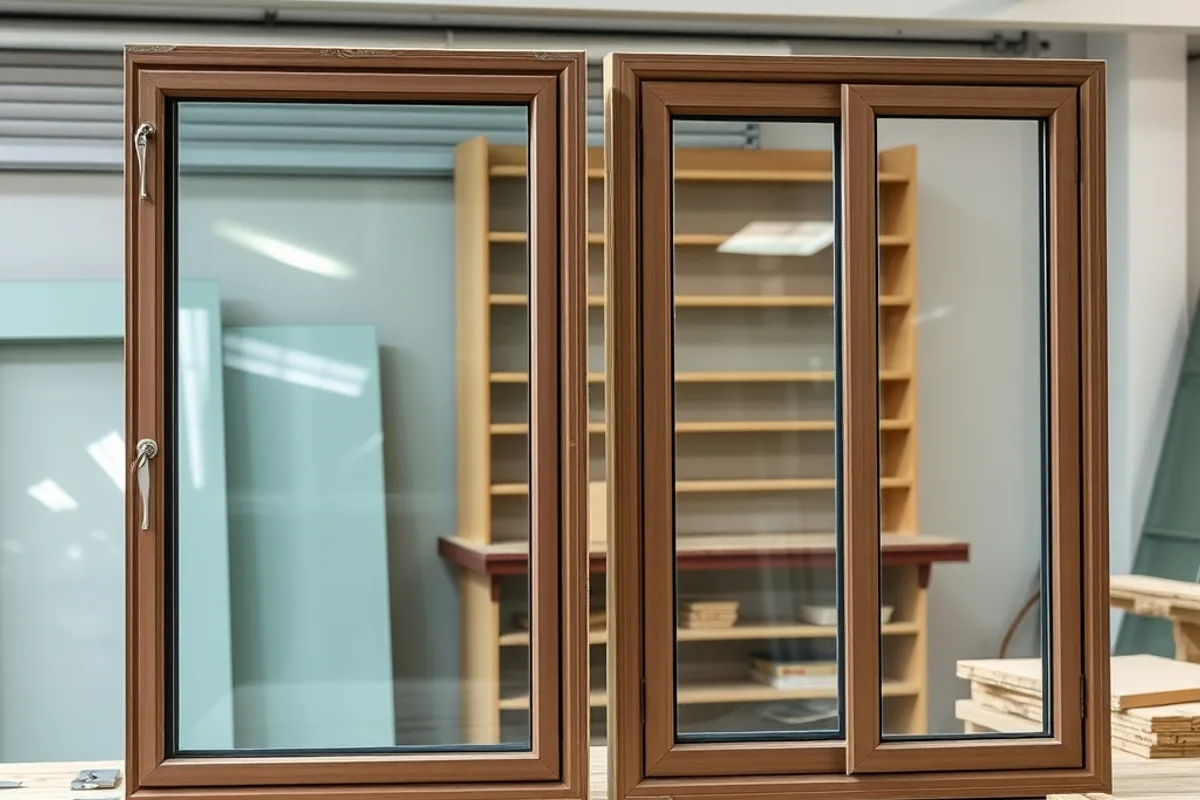
Triple glazing is sold as the obvious upgrade. In reality it is a trade: more insulation and less noise in exchange for higher cost, heavier frames and slightly less daylight. Whether it pays back depends on climate, orientation, heating system and how long you plan to stay.
Performance, in plain numbers
The metric that matters is the whole-window U-value, which includes frame and spacer effects. Lower is better.
| Specification | Whole-window U-value | Relative heat loss |
|---|---|---|
| Old single glazing, timber frame | 5.0 – 5.8 | baseline |
| Basic double, air fill | 2.6 – 3.0 | ≈ 50% of baseline |
| Good double, low-E + argon | 1.2 – 1.4 | ≈ 25% |
| Triple, low-E + argon, warm spacer | 0.8 – 1.0 | ≈ 17% |
| Passive-house certified | 0.6 – 0.8 | ≈ 13% |
Going from single to good double removes roughly three-quarters of window heat loss. Going from good double to triple removes about another third of what remains. That is a real gain, but it is a smaller slice of a smaller pie.
The payback calculation
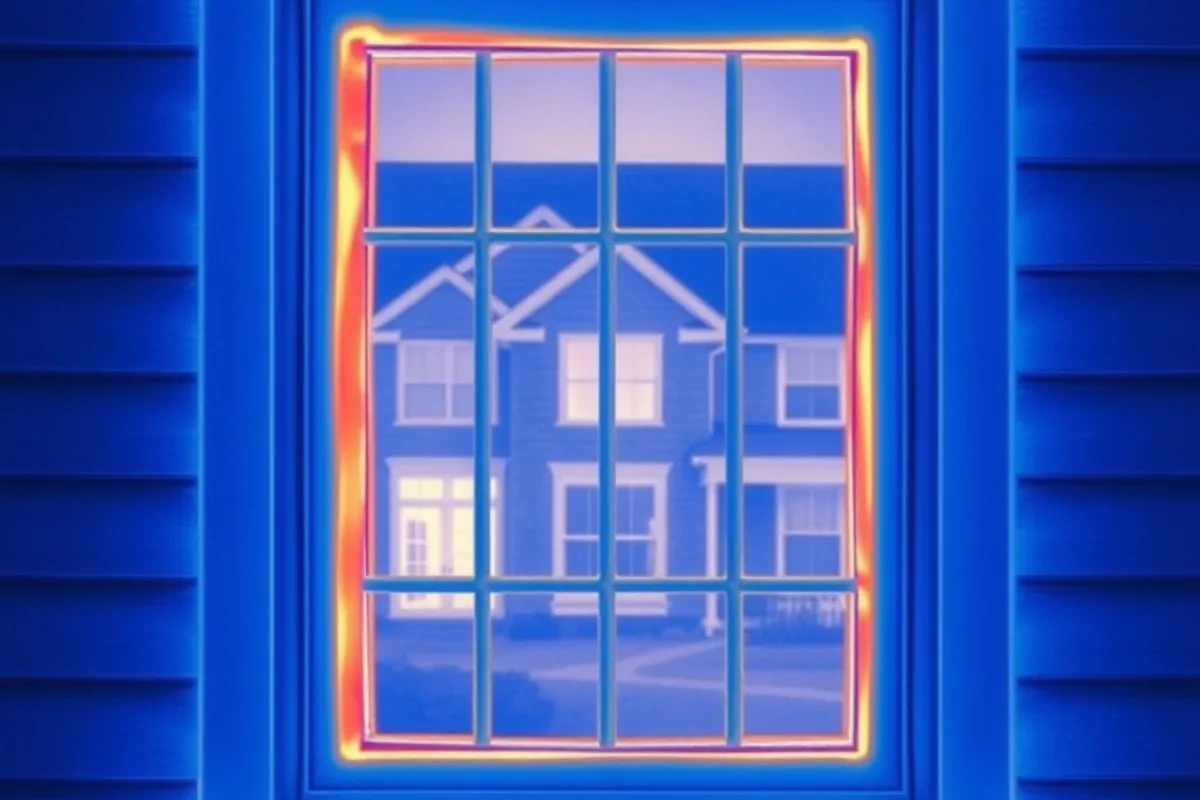
Take a house with 20 m² of glass, a 15°C indoor–outdoor average difference over the heating season, and 1,800 full-load hours. Each 0.1 W/m²K improvement saves about 54 kWh per year. Moving from 1.3 to 0.9 saves roughly 216 kWh — meaningful, but at typical electricity prices it is a few dozen dollars annually, not hundreds.
If the price difference is $2,000, simple payback stretches beyond 20 years. If your heating is expensive, the house is cold, or the upgrade is happening anyway during a renovation, the maths improves sharply.
When triple glazing is the right choice
- Cold climates with long heating seasons and high energy prices.
- Noisy streets — the extra cavity and laminated options reduce low-frequency noise.
- Large glazed areas where the cold surface would otherwise cause draughts and condensation.
- Low-energy or passive builds where the envelope target requires it.
- Long ownership — comfort and durability accrue to the occupant, so stay long enough to enjoy them.
When good double glazing is the smarter buy
- Mild climates where heating demand is modest.
- Small openings and north-facing windows with little solar gain.
- Older buildings where deep, heavy frames would damage reveals or reduce daylight.
- Budget-limited projects where air-tightness and loft insulation offer a faster return.
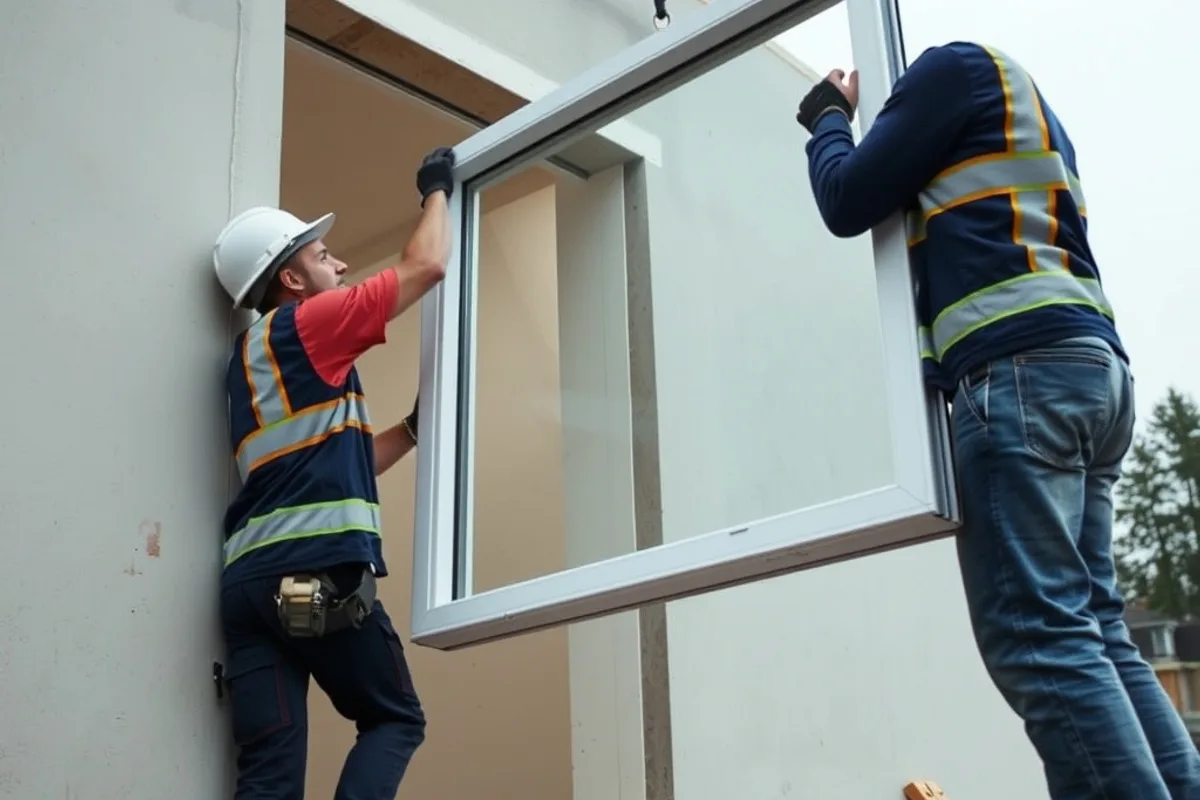
In these cases, spend the difference on installation quality: warm-edge spacers, proper tapes and airtight sealing around the frame. A well-fitted double unit beats a badly fitted triple every time.
The hidden costs of heavier glass
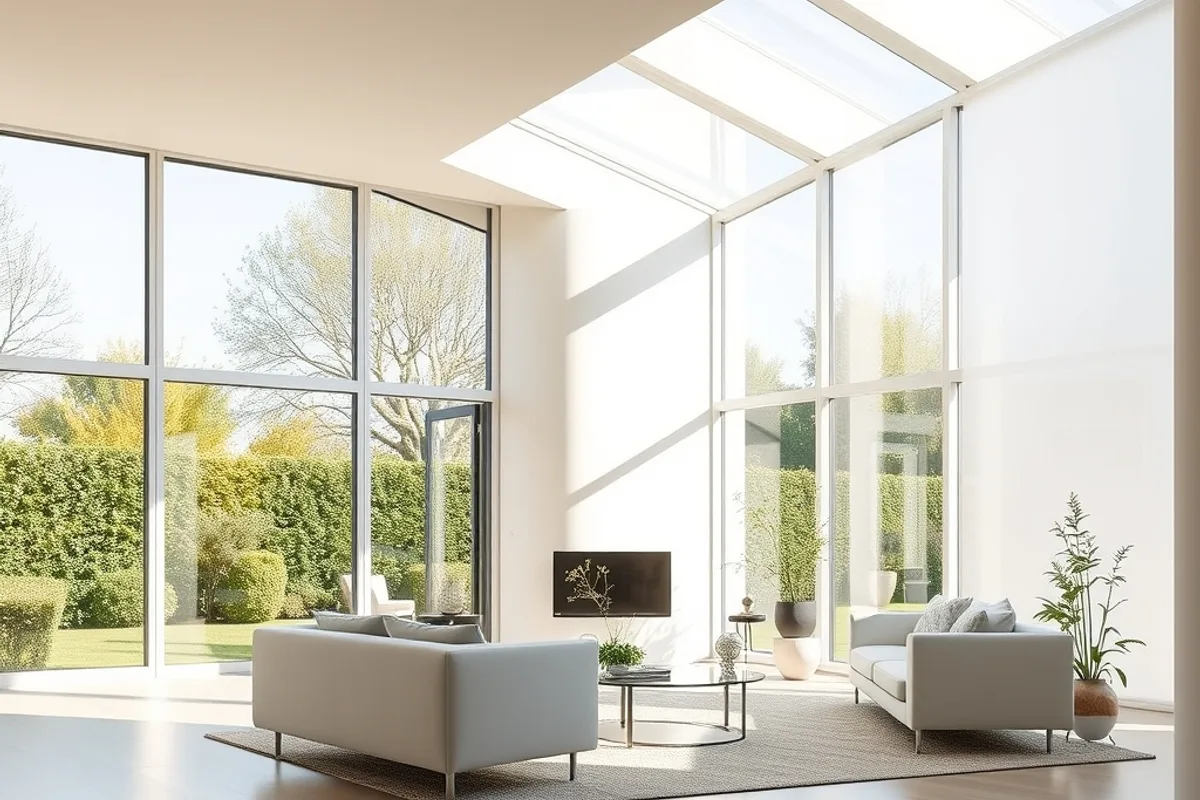
A triple unit can weigh 40–60% more than an equivalent double unit. That affects hinges, handles, frame reinforcement and sometimes the number of installers needed. On large sliding doors it may force a different track system entirely. Always ask for the unit weight and confirm the hardware is rated for it.
Triple glazing also reduces visible light transmission by roughly 5–10%. In a small, north-facing room that difference is noticeable.
A five-question decision framework
- How cold is the climate, and what does heating cost per kWh?
- How much glass area is being replaced?
- Is noise a problem the household actually notices?
- How long will you own the property?
- What else in the building envelope is underperforming?
If triple glazing wins on three or more, it is worth the premium. If not, invest in airtight installation and better loft or wall insulation first.
Frequently asked questions
Does triple glazing stop condensation?
It greatly reduces it because the inner pane stays warmer. Persistent condensation usually signals a ventilation or humidity problem rather than a glass problem.
Can I upgrade double to triple later?
Usually only by replacing the whole unit. Some systems allow a glazing cassette swap, but frame depth and weight ratings often make a full replacement the practical option.
What is the best value specification?
For most temperate homes: double glazing, low-E coating, argon fill, warm-edge spacer and a properly insulated frame, installed airtight. It captures most of the benefit at a fraction of the cost.