Window replacement quotes vary by a factor of three for what looks like the same opening. The difference is rarely the glass alone. It is the frame system, the installation method, the trim package, and whether the old units are removed and disposed of properly. This guide breaks the price into parts you can compare, room by room.
What actually drives the price
Five variables explain most of the spread between quotes:
- Opening size and shape. A standard casement is cheap to make; an arched or oversized fixed unit is not.
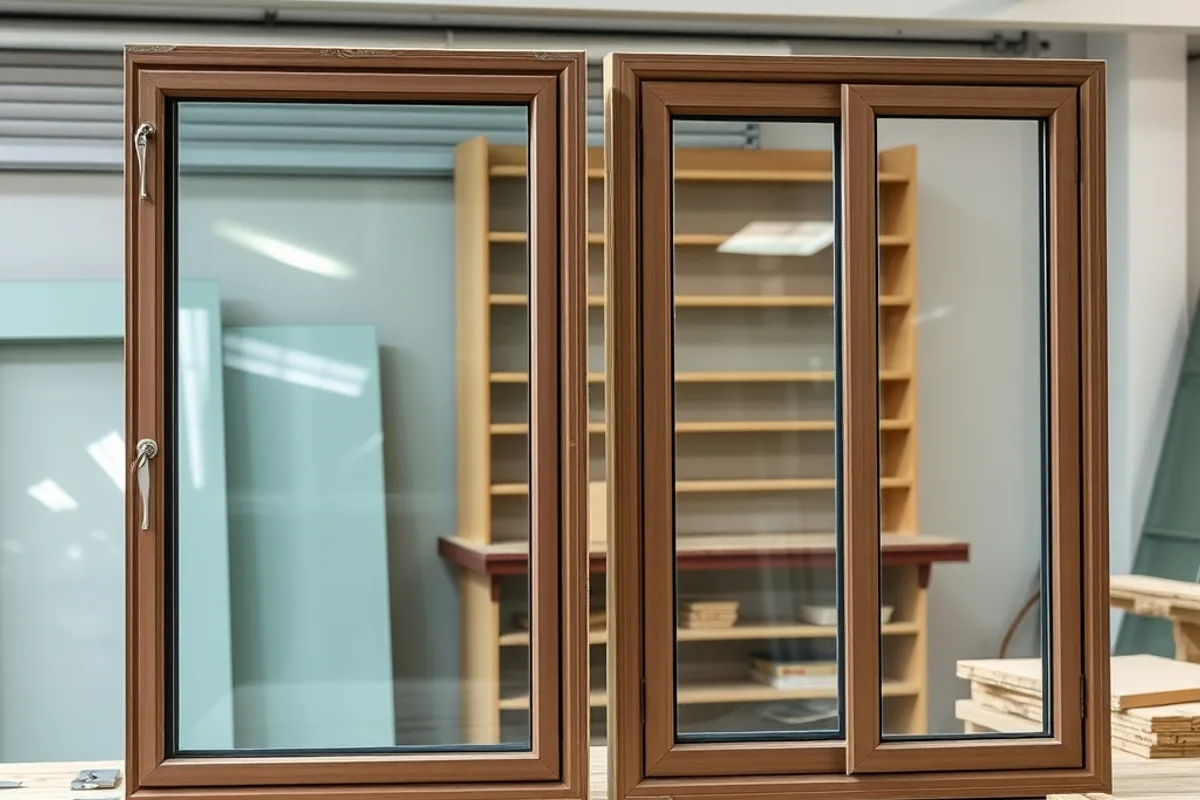
- Frame material. uPVC is the budget baseline, aluminium costs more, and timber–aluminium composites sit at the top.
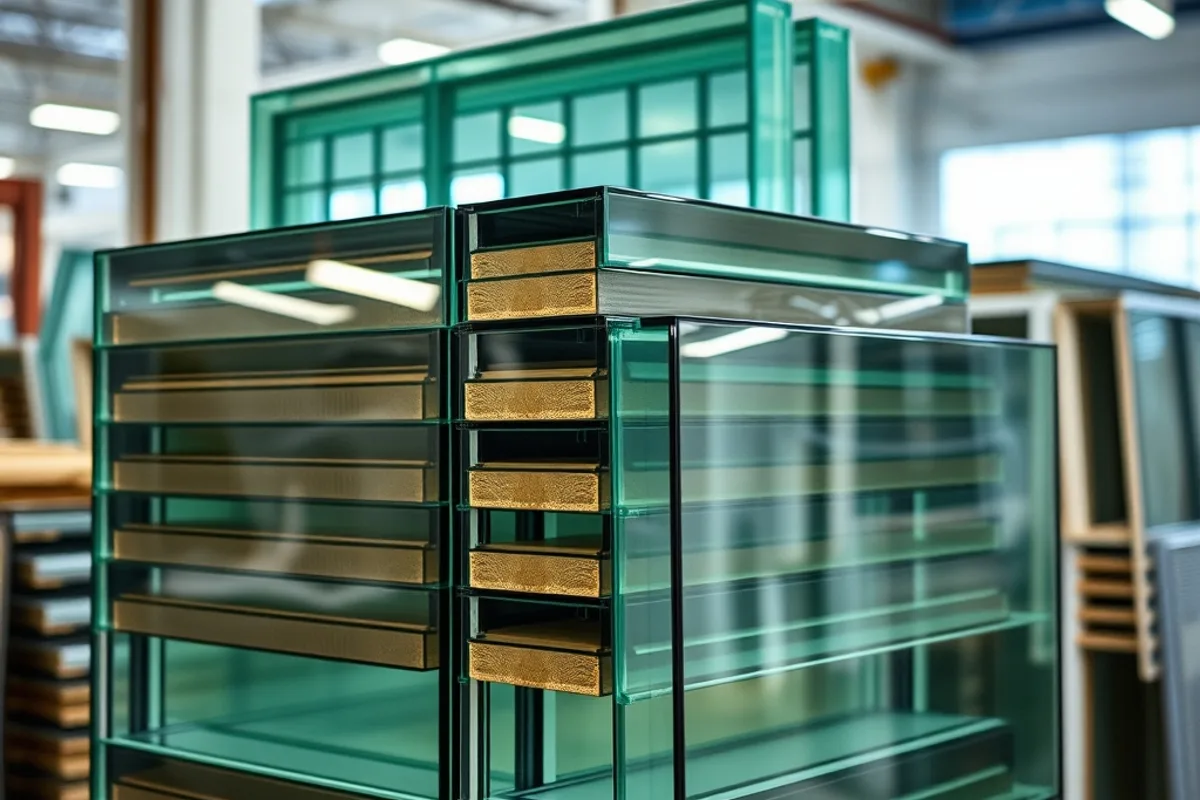
- Glazing package. Double glazing is standard; triple glazing, laminated acoustic glass and solar-control coatings each add cost.
- Installation method. A straight swap into an existing frame is fast. A full rip-out with new reveals, flashing and plaster repair is not.
- Access and storey height. Scaffolding, lifts and a second-floor install add labour before a single pane is fitted.
Typical 2026 costs by opening
Figures below are supply-and-fit ranges for a mid-market uPVC double-glazed unit, including removal and disposal, in a typical low-rise home. Urban labour and heritage restrictions push toward the upper end.
| Opening | Typical size | Budget uPVC | Premium / aluminium |
|---|---|---|---|
| Small bathroom | 60 × 60 cm | $420 – $650 | $700 – $1,050 |
| Standard bedroom | 120 × 120 cm | $650 – $950 | $1,100 – $1,700 |
| Large living room | 180 × 140 cm | $950 – $1,400 | $1,700 – $2,600 |
| Patio door | 200 × 210 cm | $1,800 – $2,600 | $3,000 – $4,500 |
| Bay or arched | custom | $2,500 – $4,000 | $4,500 – $7,500 |
A whole-house replacement of ten openings usually lands between $8,000 and $16,000 depending on specification. Any quote far below that range is worth reading line by line.
Choosing the glazing package
Double or triple?
Double glazing with a low-emissivity coating and argon fill reaches a whole-window U-value around 1.2–1.4 W/m²K. A good triple unit reaches 0.8–1.0. In a mild climate the extra pane may never repay its cost; in a cold or noisy location it often does. Compare the whole-window U-value, not the centre-of-glass figure printed on the datasheet.
Acoustic and solar glass
Laminated glass with an asymmetric pane thickness (for example 6 mm + 10 mm) cuts traffic noise far better than simply adding a third pane. On south- and west-facing glazing, a solar-control coating reduces summer overheating and protects furniture, at the cost of some daylight.
Line items most quotes hide
- Reveal and sill replacement — often excluded, then billed as a variation.
- Making good — plaster, paint and render repair around the opening.
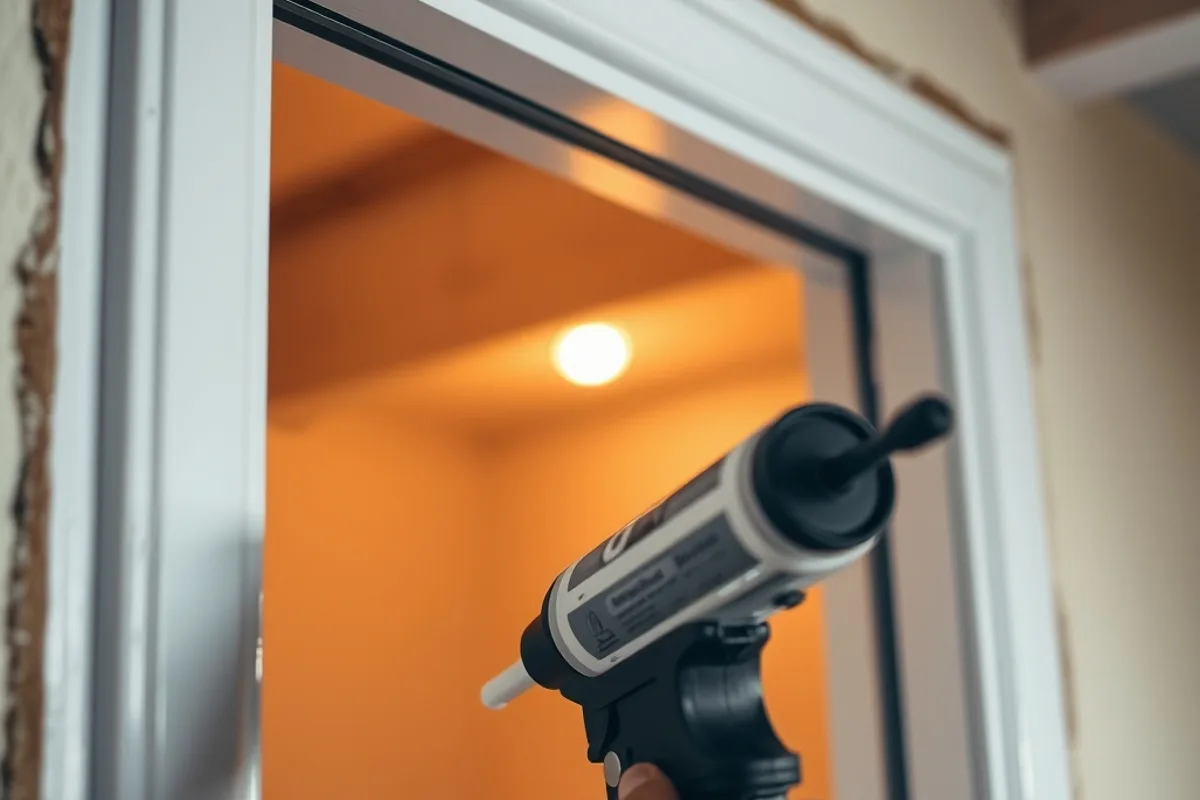
- Flashing and drainage — essential at the head and sill, frequently assumed.
- Scaffolding and permits — especially for upper floors and heritage zones.
- Old unit disposal — a real cost that some firms absorb and others add later.
Ask every installer to price the same scope: removal, new frame, glazing, flashing, trim, making good, disposal and a written warranty period.
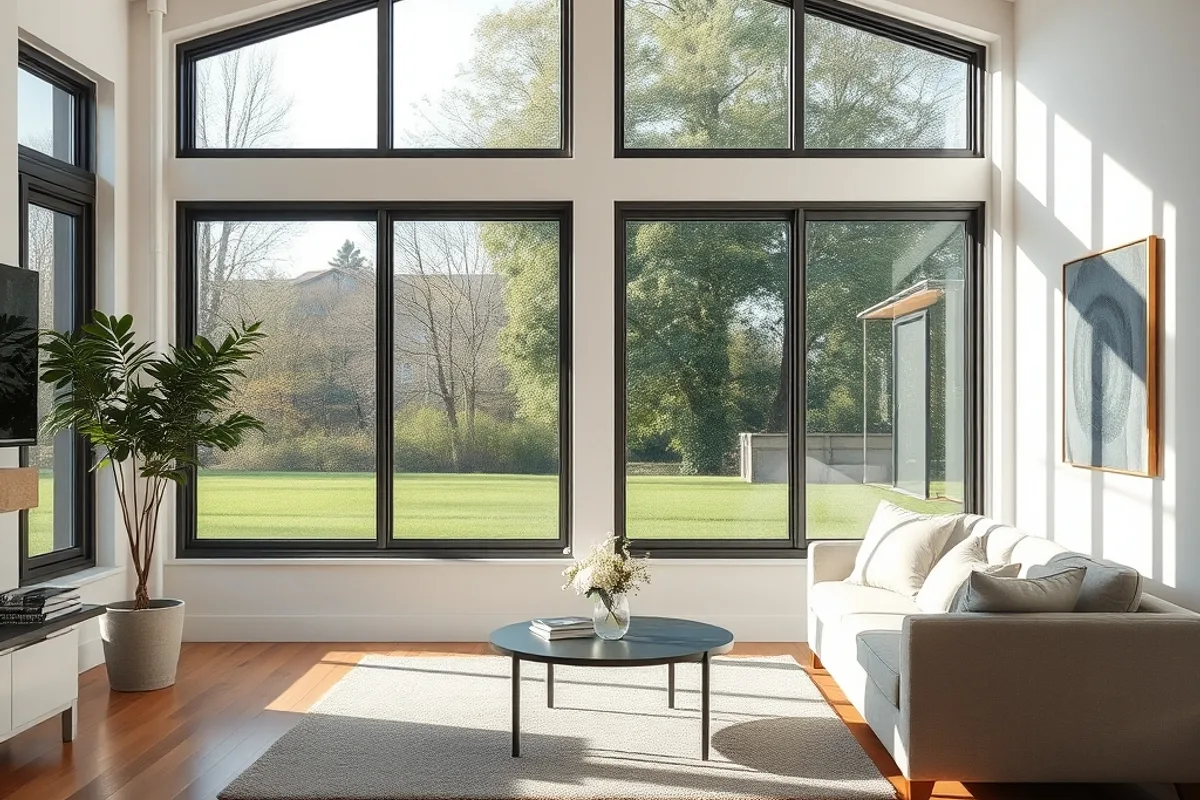
Room-by-room priorities
If the budget cannot cover every window at once, work in this order:
- Living spaces with the largest glass area — biggest heat loss and biggest comfort gain.
- Bedrooms facing traffic — acoustic laminated glass changes sleep quality immediately.
- Bathrooms and kitchens — smaller units, quick wins, and often the leakiest old frames.
- Hallways and secondary rooms — lowest return, do them last.
How to compare quotes fairly
Put every offer on one page with these columns: frame material, glazing build-up, whole-window U-value, installation method, warranty length, and whether making good is included. Reject any quote that cannot state the U-value and the glass build-up in writing. A cheap window badly installed will underperform an average window fitted properly.

Frequently asked questions
Do new windows pay for themselves through energy savings?
Rarely in full. Expect 10–20% of the cost back over the unit's life through lower heating demand. The stronger returns are comfort, condensation control, noise reduction and resale appeal.
How long does installation take?
A straightforward whole-house swap takes one to three days. Structural alterations, bay windows and heritage properties can take a week or more.
Can windows be replaced in winter?
Yes. Openings are sealed the same day. Schedule one room at a time and keep interior doors closed to protect the rest of the house.