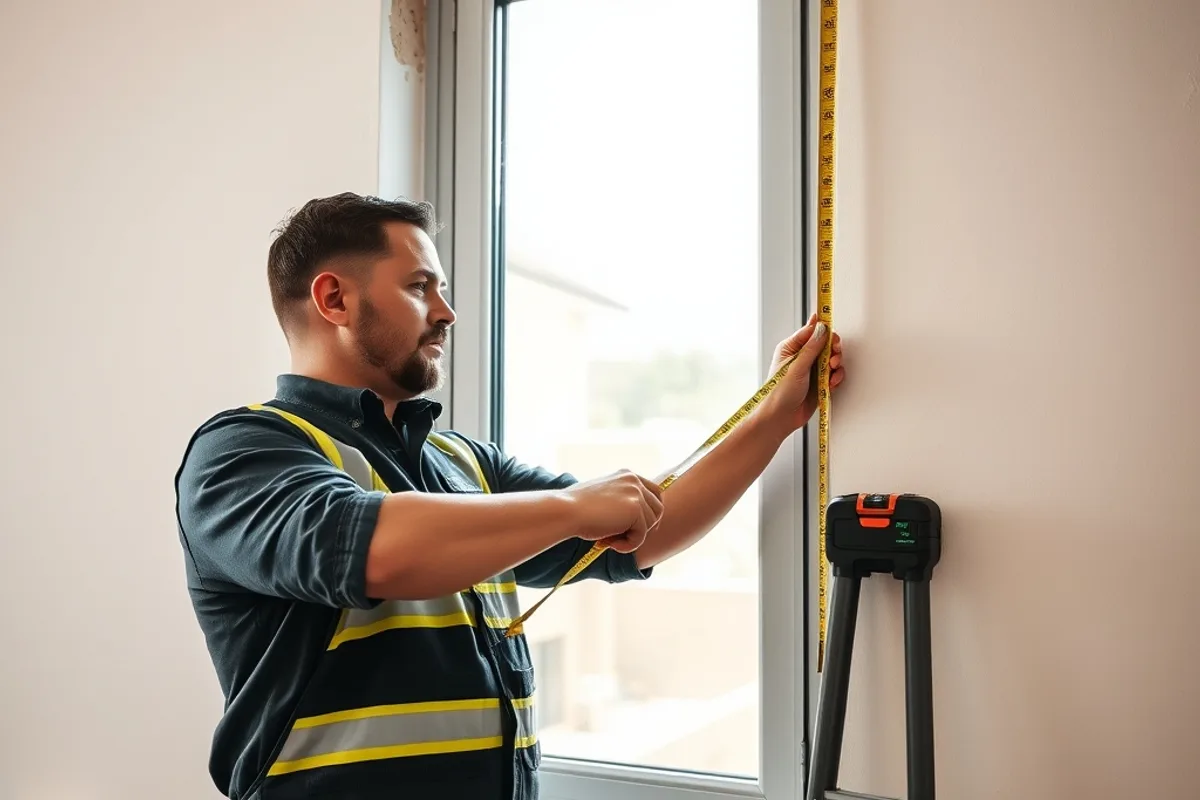
Glass facades are durable but not maintenance-free. Sealants age, gaskets shrink, fixings loosen and sealed units slowly lose their gas fill. A seasonal walk-through catches most of it before water reaches the interior or a pane becomes a hazard.
What to inspect each season
Sealant joints
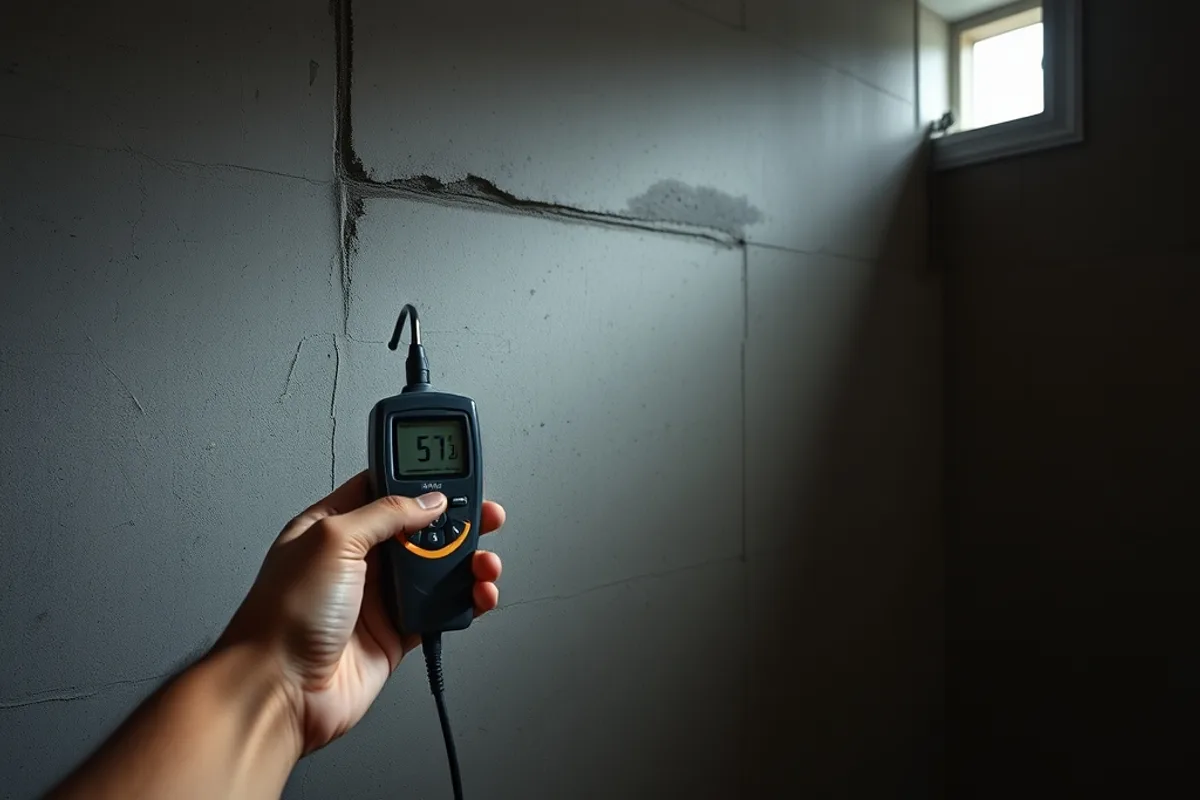
Look for cracking, loss of adhesion, reverted sealant and gaps at movement joints. A joint that has debonded at the top edge is a water entry point waiting for wind-driven rain.
Insulating glass units
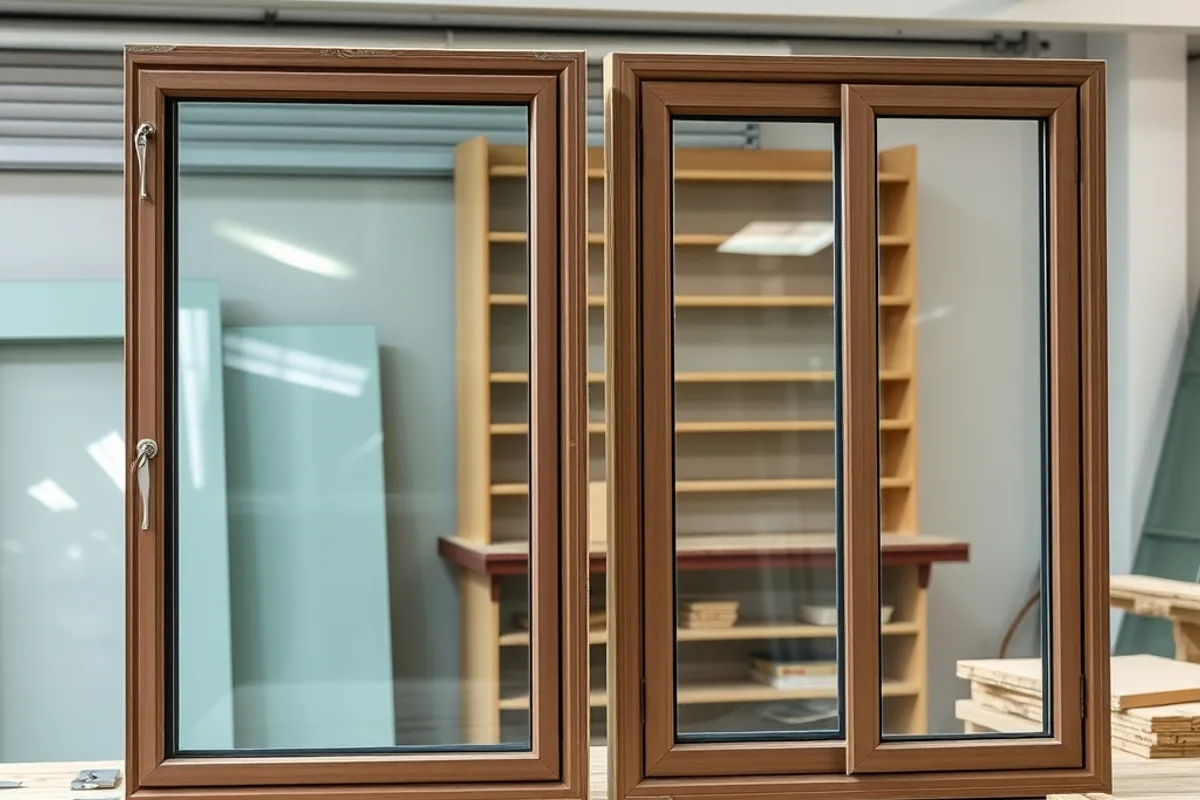
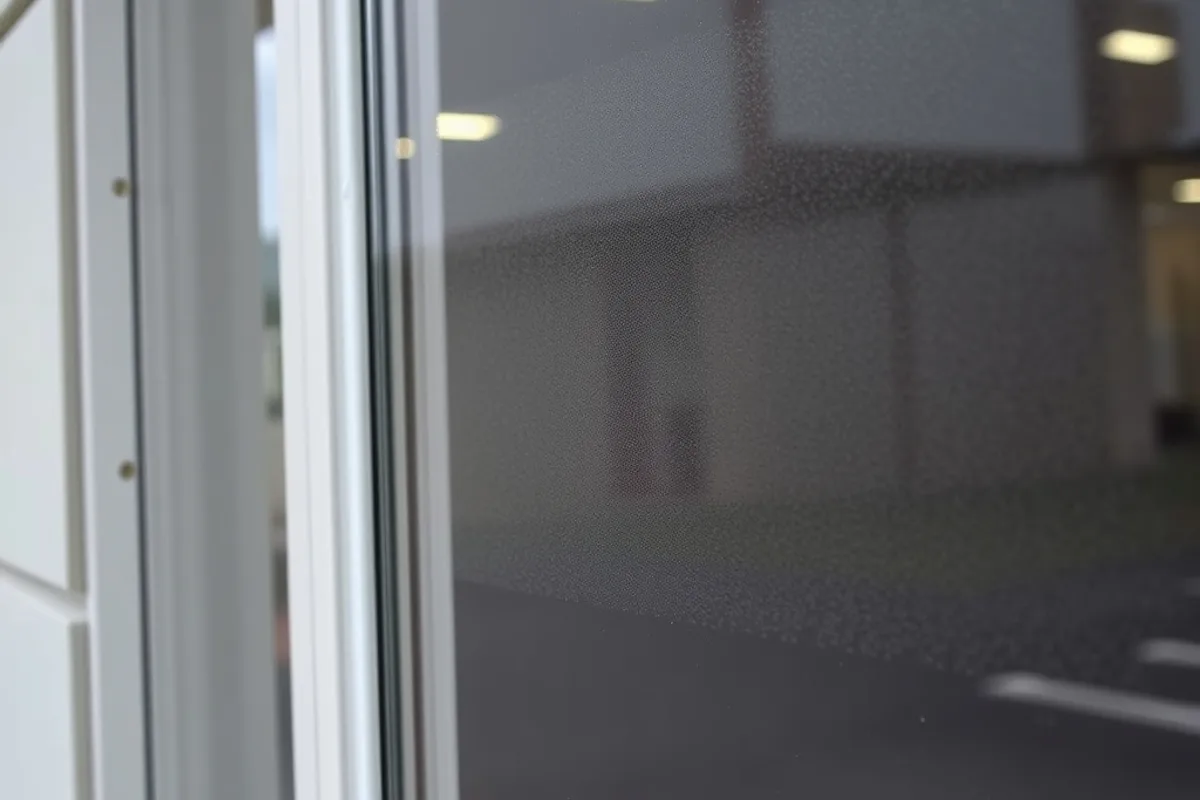
Condensation between panes, a milky haze or a visible desiccant line means the unit has failed. It is an energy and appearance issue first; structural risk depends on the system and location.
Fixings and framing
Check for loose pressure plates, missing cover caps, corrosion at brackets and movement that exceeds design tolerances. Pay particular attention after storms and on south-facing elevations with high thermal movement.
Access and safety glass
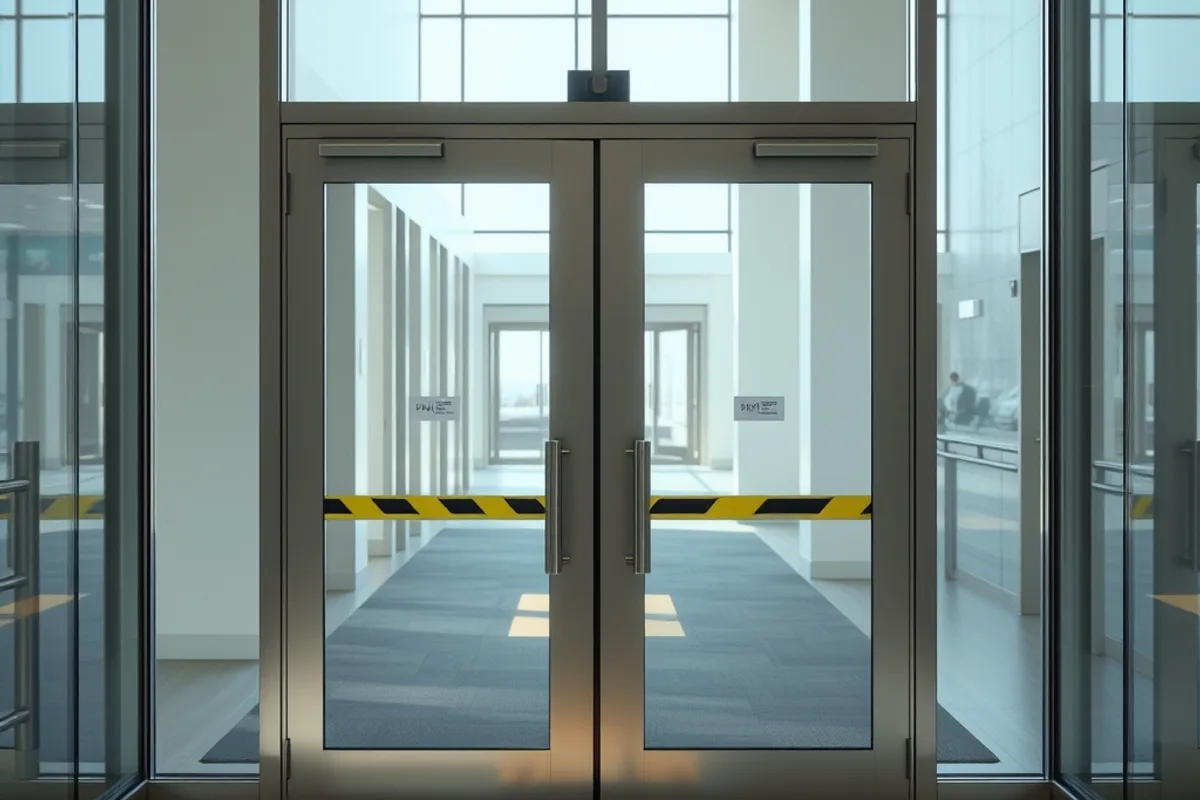
Doors, sidelights and low-level glazing should carry permanent marking identifying the safety glass. Check for chips at edges, which concentrate stress and can lead to spontaneous breakage in toughened glass.
Seasonal focus
| Season | Priority | Reason |
|---|---|---|
| Spring | Drainage, sealant, winter damage | Freeze–thaw damage becomes visible |
| Summer | Thermal movement, solar shading, cooling load | Peak expansion and heat gain |
| Autumn | Gutters, joints, storm preparation | Before the wet and windy season |
| Winter | Interior leaks, condensation, ice | Water paths reveal themselves |

When to escalate
- Cracked or chipped glass in a traffic or door location — treat as urgent.
- Water ingress tracking into the building — investigate within days.
- Loose cladding or cover caps at height — secure immediately and restrict access below.
- Repeated unit failure in one elevation — suggests a systemic fixing or drainage issue.
Records and photographs
Photograph every defect with a reference point, note the elevation and grid location, and log the action taken. Trend data — the same joint failing each year — is more valuable than any single inspection.
When you need a specialist
Access at height, rope work, glass replacement and structural sealant work require trained contractors. A building owner's inspection is about identifying and documenting, not repairing from a ladder.

Frequently asked questions
How often should a facade be inspected?
At least annually, and after severe weather. Buildings over a certain height or with unusual systems may require more frequent specialist inspection.
Does a failed sealed unit need immediate replacement?
Not always, but it should be logged and scheduled. In safety-critical locations, replace promptly.
Can sealant be painted over?
Only with a compatible coating. Most facade sealants should be replaced rather than painted, because paint can hide debonding.